
It is too early to make predictions, but the prospects are excellent. The high rainfall in 2024 caused considerable disruption to the vintage, but it also laid the foundations for the excellent results of 2025. Good water reserves, a mild winter, well-distributed rainfall and few extreme events favored excellent vine growth, accelerated grape ripening, and led to an earlier than average harvest.
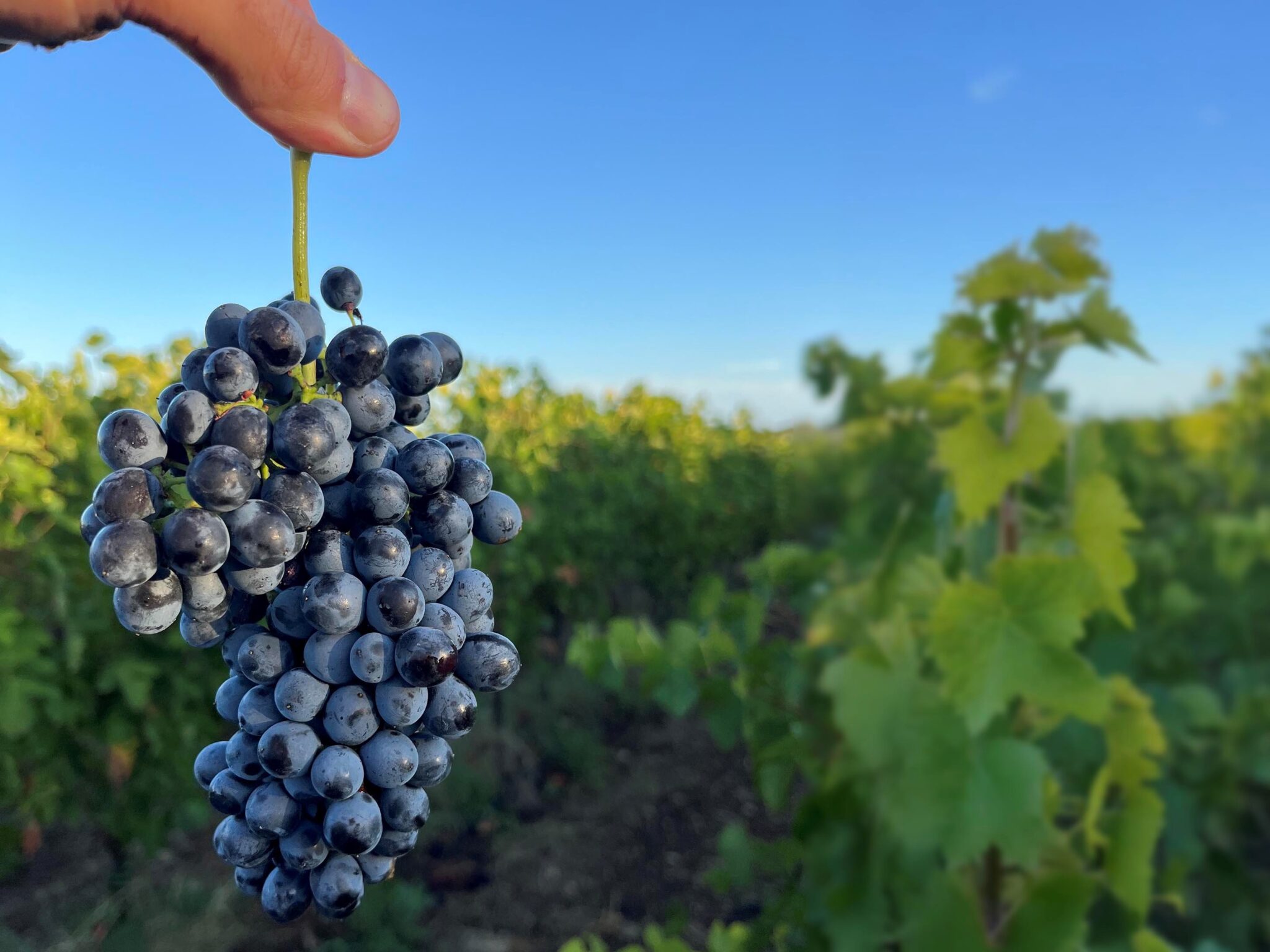
Part 1 A – Ca´Marcanda
The heavy rains in the first part of the year complicated vineyard work and intensified attacks of downy and powdery mildew, but they also laid the groundwork for a balanced progression of the season. The water-rich soils, in fact, helped the vines continue ripening the grapes even during the hottest summer months. The vines were healthy, and the veraison was more uniform and balanced than ever before. This balance is also reflected in the glass, with well-integrated tannins, complexity, and a moderate alcohol content. The wines have fullness in true Bolgheri style, with notes of ripe fruit and salty licorice, reminiscent in some ways of the 2019 vintage.
October 2024 was marked by heavy rainfall, including a flood event in the Bolgheri area. From the second half of the month, however, the rains ceased. Temperatures remained above seasonal averages all the way through to February. With the start of the new year, frequent rains returned, and, combined with relatively high temperatures, made the beginning of the season particularly challenging. In March, temperatures returned to seasonal norms, and no significant rainfall occurred. Budburst began in the first week of April, around 6–7 days earlier than the historical average. From mid-April, temperatures rose significantly, and in May, although rainfall was not intense, it was frequent. This made timely vineyard interventions essential, confirming the complexity of the vintage.
Flowering on Merlot and Viognier began on May 19th, about a week earlier than in the previous two vintages. The season’s persistent rainfall and disease pressure continued until mid-June, when the weather finally stabilized and temperatures began to rise steadily. Summer brought high temperatures, but also storm systems and sharp thermal shifts, which allowed the vines to maintain their physiological balance.
Veraison occurred smoothly, gradually and evenly, with no issues of millerandage. Thanks to the overall health of the canopy and good water reserves in the soil, the intense heat of late July and August did not stress the vines—instead, it accelerated grape ripening. The only real challenge came from the strong presence of grapevine moths, whose spread was encouraged by an unusually mild winter. Constant monitoring and a carefully managed plant protection strategy—especially the targeted use of Bacillus thuringiensis—proved essential in keeping the situation under control.
The harvest of the white grapes began on August 18th and was completed by August 28th. A timely drop in temperatures during this phase contributed to the quality and elegance of the wines. The grapes were juicy, with well-sized berries and nicely preserved acidity. Meanwhile, on August 24th, the harvest of Merlot began, followed shortly after by Syrah. From the end of August, warm and humid air driven by the Scirocco wind dominated the harvest days, giving way in early September to brief but intense downpours. While initially a cause for concern, these torrential rains paradoxically proved to be an ally in the ripening of the later varieties.
Thanks to the soils’ excellent drainage capacity and the healthy state of the vines, these sudden rainstorms gave a decisive boost to the maturation of the red grapes.

On September 8th, a few days earlier than last year, the harvest of Petit Verdot began. Cabernet Franc was also picked starting on the same day, with the harvest completed by September 15th. The weather continued to cooperate, with sunny, dry days that kept botrytis at bay—a real risk in such a humid vintage. The harvest of Cabernet Sauvignon started on September 18th. On September 24th, sudden showers once again soaked the area. It was in this unstable weather pattern that we officially concluded the harvest on September 26th. The high humidity during the final stages affected the picking schedule of some Cabernet Sauvignon parcels, but overall, despite the challenges posed by the rains, the vintage stood out for the quality of the grapes, which remained high all the way to the end.
Part 2 – Gaja
The vintage was marked by a rainy start, low fertility, and an early summer. The rains that fell during harvest—combined with aboveaverage temperatures—initially raised concerns, but ultimately proved beneficial in achieving full ripeness of the grapes. This is a vintage where the wines show generous aromas and great structure— two qualities that don’t always come hand in hand. While 2004 was a more abundant year and 2025 has brought lower yields and thus greater concentration, there is a clear resemblance in the aromatic richness and expressive character of both vintages.
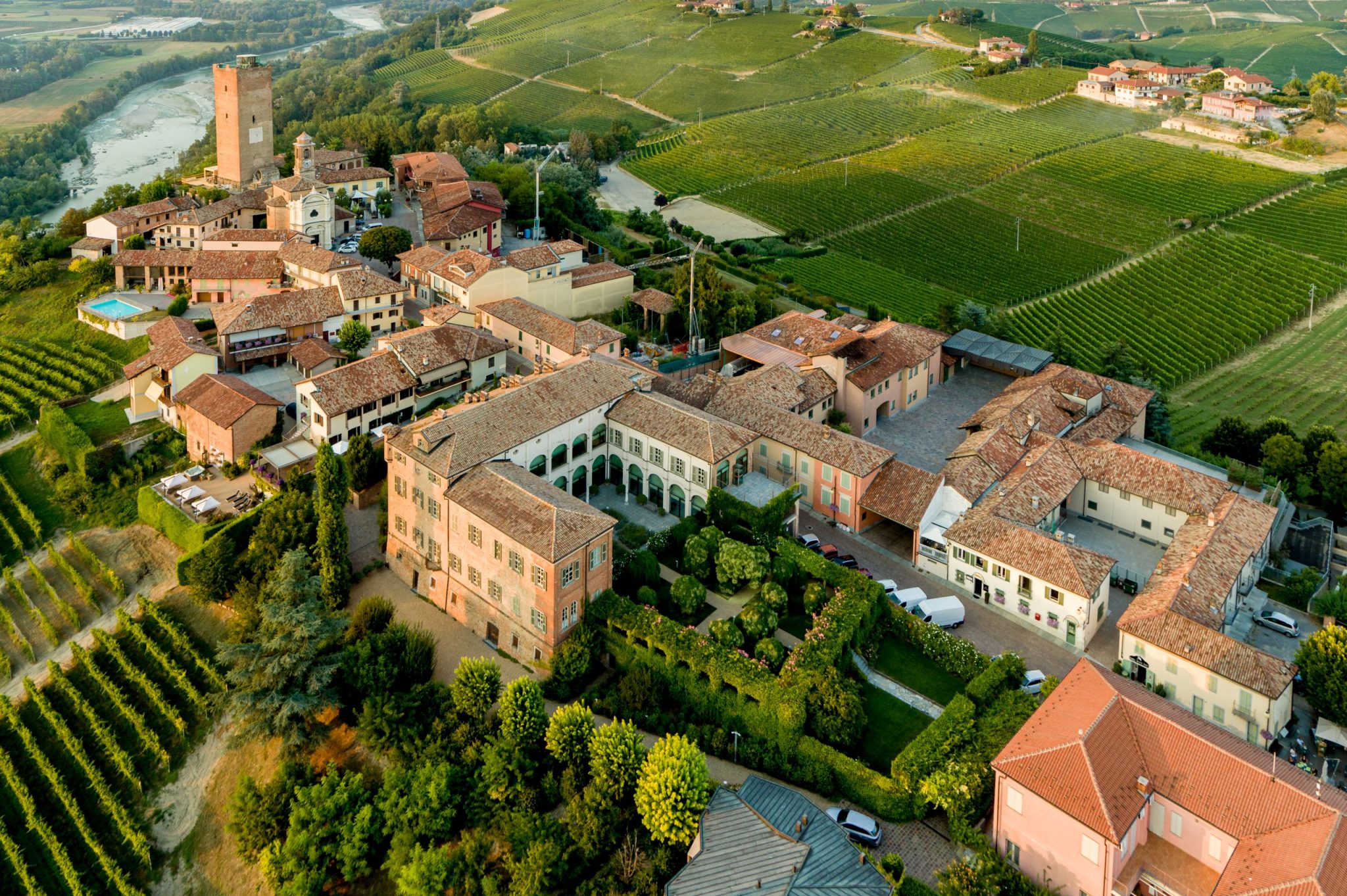
The 2025 wines have depth and personality: they are full-bodied and powerful, with solid structure, vibrant fruit expression, dense yet polished tannins, and overall good balance. However, production in 2025 is limited, with decreases of 20%, and in some cases even 30%, compared to last year.
September and October of 2024 were marked by bad weather, while November and December stood out for the near-total absence of rain and consistently above-average temperatures. Pruning began on December 16th, during the waning moon phase, in order to contain vegetative growth and delay ripening in vineyards more susceptible to spring frost. The year 2025 began with stable, sunny weather, and during the same month, 70 mm of rain fell. It is unusual to see rain in January in the Langhe, where until just a few years ago, this kind of precipitation would have typically fallen as snow.
Although the winter was not particularly harsh, the 2025 season began with clear signs of high rainfall. The water-saturated soils, remaining cooler, contributed to a general delay in the vegetative cycle—not only for the vines but also for other fruit-bearing species. February, as well as March and April, were marked by abundant rainfall and average seasonal temperatures, with precipitation totals ranging from 90 to 130 mm, highs around 18°C, and lows near 6°C. The saturation of the soils also triggered a few minor landslides, though they remained limited in scope.
With the sudden rise in temperatures during the last week of April (26–28 °C, despite significant thermal variation) and the abundant water reserves, vegetative growth in the vineyards started rapidly and vigorously. By the end of the month, the first copper- and sulfur-based treatments were already being applied to control fungal pressure. The vegetative development proved to be regular and well-balanced, with a healthy physiological profile, particularly favorable for Nebbiolo.
May was characterized by cool and unstable weather (with lows between 8 and 16 °C and highs between 20 and 22 °C). Barolo recorded around 40 mm of rainfall, Barbaresco 80 mm, and Alta Langa 85 mm. Nebbiolo flowering began on May 14th at Sorì San Lorenzo, continued on May 19th at Cerequio, May 22nd at Sperss, and in early June in the vineyards of Alta Langa. By the end of May, Nebbiolo was in full bloom, with some vines already at the fruit set stage.
With the arrival of June, there was a marked climatic shift: the African anticyclone pushed maximum temperatures up to 34–36 °C. The soils warmed rapidly, evapotranspiration increased significantly, and relative humidity reached peaks of 60%. Vegetative growth accelerated remarkably: the berries quickly reached the “peppercorn” stage, and fruit set was completed swiftly and smoothly. Nebbiolo’s fertility was about 30% lower than the previous year, with clusters of smaller average weight. Towards the end of the month, the first signs of powdery mildew appeared, due to the high temperatures and relative humidity
The summer was early and variable, characterized by an intense heatwave at the end of June, a cool July with temperatures 3-4 °C below average, and a second heatwave from August 8th to 18th, with peaks exceeding 40 °C in the warmest sites. The thermal stress accelerated ripening, concentrating sugars. Subsequently, from mid-August until early September, temperatures and sunlight decreased, accompanied by heavy rains, especially in La Morra and Trezzo. The white grape harvest in the lower Langa began on August 14th and concluded on the 27th; in Alta Langa, it was delayed by about ten days and interrupted by rainy days. From September 10th, a week of stable weather (25–26 °C during the day, 14–15 °C at night) favored the full ripening of the Nebbiolo vineyards in Barbaresco, which were harvested starting September 17th. New rains between September 23rd and 24th required increased sanitary control to prevent botrytis.
In Barbaresco, the harvest concluded on September 26th, with the grapes showing f lavorful and aromatic qualities. In the Barolo area, the rains promoted faster grape ripening. The harvest at La Morra ended on September 28th, with slightly larger clusters due to increased rainfall, but without any loss of concentration—the grapes were rich in f lavor, with dense yet elegant tannins. In Serralunga, the harvest finished on October 7th. The ripening process was prolonged thanks to the good water reserves in the soils, ensuring balance and excellent health of the grapes.
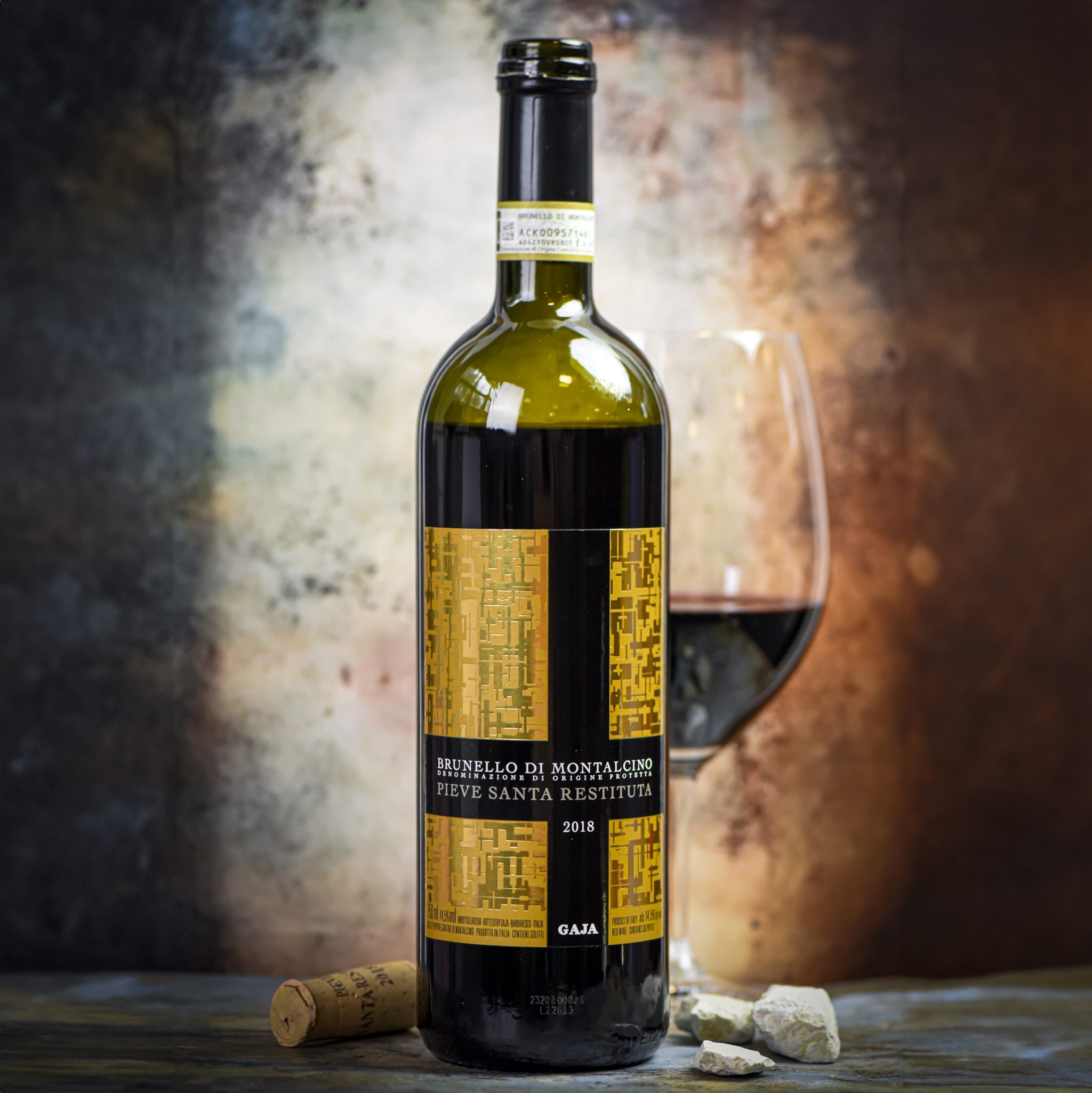
Part 3 – Pieve Santa Restituta
The vintage was characterized by rainfall that occurred regularly throughout the entire year. From November 2024 until the end of the 2025 harvest, no more than 20 consecutive days passed without rain. Even in summer, when two heatwaves occurred in June and August, thunderstorms were always present. What truly made the difference was not the total amount of rainfall, but its distribution: a few millimeters of rain spread over many events helped the vines achieve excellent grape ripening. It was a challenging year, both in terms of managing fungal diseases and controlling botrytis toward the end of the harvest. However, the availability of water, combined with moderate temperatures, contributed to vine health and the production of excellent-quality grapes. The wines are expressive and complex, with intense color, balanced alcohol levels, soft tannins, and excellent acidity.
After continuous rains until mid-October 2024, November and December saw a gradual drop in temperatures and little to no significant precipitation. Pruning began on December 20th, prioritizing the younger vineyards, those at higher altitudes, and those trained with the Guyot system. January and February were warmer and drier than average; however, a sharp temperature drop and irregular rainfall in March and April slowed vegetative growth and limited f ield operations. Budbreak started on April 1st in the earliest vineyards, characterized by stony, deep soils that tend to warm up sooner. At Villa a Tolli (around 620 meters above sea level), budbreak was delayed by about 10 days.
At the end of April, temperatures rose quickly, promoting significant vegetative growth, with shoots already nearing the last wire in some vineyards. The phytosanitary situation remained under control, and no signs of fungal infections appeared. In May, continuous rainfall (about 20 mm) and poor ventilation led to humidity buildup, complicating phytosanitary management and creating strong disease pressure. In the earliest vineyards (Sugarille, Santo Pietro Alto), flowering began.
Work continued with the incorporation of cover crops into the soil, performing tillage at about 10 cm depth, also with the aim of warming the soil. Treatments based on copper and sulfur were carried on, particularly in Torrenieri where downy mildew proved more aggressive, while in other vineyards the situation remained under control.
At the beginning of June, the earliest vineyards reached the pre-cluster closure stage, about a week earlier than in 2024. As often happens in cooler vintages, phenological differences between various sites were marked. In June, temperatures settled around 35°C, consistent with recent years but above the historical average. Humidity challenged both the vines and agronomic management: powdery mildew posed a real threat, requiring intervention with sulfur-based treatments. On July 7th, a hailstorm caused significant damage to the new vineyard at Villa a Tolli, which had already been hit twice in four years, indicating a greater vulnerability of the area. July temperatures were cooler compared to June, and two rainfall events exceeding 20 mm helped the vines regain vigor.
Veraison began around July 18th across the entire area, and thinning operations were initiated—essential to maintaining the balance between vegetative growth and production. Sangiovese Grosso is a naturally generous variety that requires careful selection at this stage.
Between August 7th and 15th, a very hot period occurred, with temperatures reaching up to 40°C, which partially slowed down the plants’ activity. However, even the driest vineyards showed no obvious signs of water stress. The foliage remained in good condition, and subsequent significant rainfall slowed ripening and caused thinning of the skins. By the end of August, the health condition of the grapes was excellent: low incidence of stress, grapes slightly ahead in ripening, and thinning carried out well and at the right time. The first two weeks of September were characterized by alternating rainfall, a slight temperature drop compared to August, and mild southerly winds, with no tramontana breeze.
After waiting for full ripeness to be reached, the harvest proceeded quickly: in just four days, from September 18th to 21st, 80% of the vineyards were picked. September 21st marked the beginning of autumn and a true seasonal shift: frequent rains and overcast skies characterized the days, with still mild temperatures around 20°C and no sharp temperature drop. Botrytis, expected in such a humid vintage, had a limited impact, affecting quantity more than the quality of the grapes harvested. The harvest concluded on October 6th with the picking of the Villa a Tolli vineyard.
